
A suite of products for all practice areas
Stacker makes it easy to build customer portals, CRMs, internal tools, and other business applications for your team. In minutes, not months.
Key Features
Key features of Z-KM
01
Food Safety Dairy
All food businesses must operate a food safety management system based on HACCP principles. A food safety diary provides written evidence that you are operating such a system. If an incident occurs, a completed diary acts as crucial evidence that you have taken all reasonable precautions and due diligence to ensure food safety. It allows you to document that you have followed your safe methods, which is crucial for proving compliance to environmental health officers.
Compliance & Protection:
Demonstrates to authorities that food hazards are controlled, mitigating risks in civil or criminal matters.
Improved Hygiene Ratings:
Consistent daily, weekly, and monthly checks show robust management, leading to better ratings.
Operational Efficiency:
Helps identify potential issues early (e.g., fridge temperatures), reduces food waste, and cuts costs.
Evidence for EHO Inspections:
Using the diary ensures all necessary records are in one place for inspectors, showing that food is prepared and cooked safely.
Daily Monitoring:
It allows for daily logging of temperature checks, cleaning, and any corrective actions taken when things go wrong.
Safety Assurance:
Regular review of records (e.g., 4-weekly checks) helps identify and prevent recurring issues.
Legal Compliance:
It helps businesses comply with food hygiene regulations by documenting safe methods.
Reputation Protection:
Consistent,, documented food safety procedures protect the business’s reputation.
02
Dishes and Their Allergen
Ensures Legal Compliance:
Easily meet UK Food Standards Agency regulations by providing accurate, accessible allergen information.
Reduces Risk of Liability:
Minimizes the risk of severe allergic reactions and legal action by providing transparent, up-to-date data.
Real-Time Menu Updates:
Instantly update ingredients or allergens across all platforms when recipes change, preventing outdated information.
Increases Customer Trust & Loyalty:
Customers with food hypersensitivities feel safer, leading to positive reviews and repeat visits.
Streamlines Kitchen Operations:
Reduces the time front-of-house staff spend checking with chefs, accelerating service.
Reduces Paperwork:
Eliminates the need for manual, paper-based, or spreadsheet-heavy tracking systems.
Efficient Staff Training:
Digital systems often integrate with training tools, making it easier to educate staff on allergen risks.
Improved Accuracy:
Reduces human error associated with manual, handwritten allergen sheets.
Managing dishes and their allergens online in the UK streamlines kitchen operations, ensures legal compliance with Food Information Regulations, and enhances customer safety. By using digital platforms, businesses can update menus in real-time, reduce liability, improve trust, and increase operational efficiency, ultimately boosting profitability and brand loyalty.
03
Cleaning Schedule
An online restaurant cleaning schedule transforms chaotic, paper-based routines into a centralized, digital system, ensuring enhanced accountability, superior hygiene standards, and instant compliance evidence for health inspectors. By digitizing cleaning tasks—categorized by daily, weekly, or monthly frequencies—restaurants reduce contamination risks, prevent pest infestations, and maintain equipment efficiency.
Real-Time Monitoring and Alerts:
Instant tracking of tasks allows managers to identify and address missed cleaning checks before they become risks.
Automated Compliance Records:
Digital logs ensure accurate, tamper-proof records, eliminating paper, saving time, and proving due diligence during audits.
Prevents Cross-Contamination:
Digital systems strictly monitor cleaning routines in high-risk areas, reducing the risk of E. coli, Salmonella, and other illnesses.
Improved Staff Accountability:
Digital checklists require staff to sign off on tasks, increasing accountability and ensuring tasks are not missed.
Enhanced Allergen Control:
Systems can specifically flag cleaning requirements for allergen management, preventing cross-contact.
Standardized Procedures across Teams:
Ensures that cleaning procedures are consistent across different shifts and locations, maintaining high food safety standards.
Immediate Access to Data:
Data is stored in the cloud, allowing managers to access records anytime and anywhere for instant verification.
Improved Efficiency and Productivity:
Reduces time spent on manual, paper-based tracking, allowing teams to focus on core food preparation.
04
Temperature Record
Real-Time Monitoring and Alerts:
Instant notifications for temperature deviations (e.g., fridge failure) enable immediate action to prevent spoilage.
Automated Compliance Reporting:
Simplifies HACCP compliance by generating automatic, audit-ready reports, saving hours of manual logging.
Reduction in Food Spoilage & Waste:
Continuous monitoring prevents equipment failures from going unnoticed, saving expensive inventory.
Enhanced Food Safety:
Keeps food out of the danger zone, directly reducing the risk of foodborne illnesses such as E. coli and salmonella.
Increased Operational Efficiency:
Staff spend less time on manual checks, allowing them to focus more on service.
Elimination of Human Error:
Digital, automated logs remove the risk of missed, falsified, or inaccurate paper records.
24/7 Remote Access & Visibility:
Managers can monitor kitchen conditions from anywhere, even when off-site or during night hours.
Predictive Equipment Maintenance:
Long-term data analysis helps identify appliances that are likely to fail before breakdowns occur.
Managing restaurant temperature records online offers significant benefits, primarily by automating compliance (HACCP) through real-time monitoring and 24/7 alerts. This reduces food waste, prevents illnesses, and lowers labour costs by eliminating manual, paper-based logs. Key advantages include improved efficiency, accountability, and increased profitability.
05
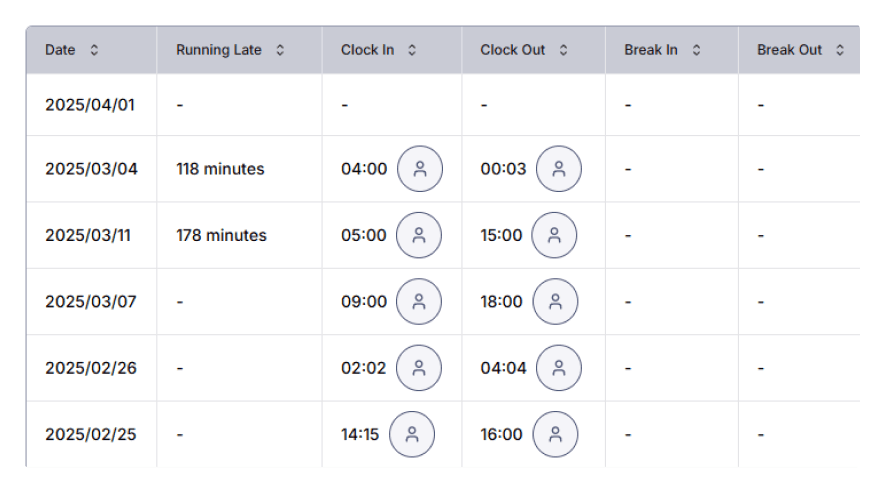
Staff Training Records
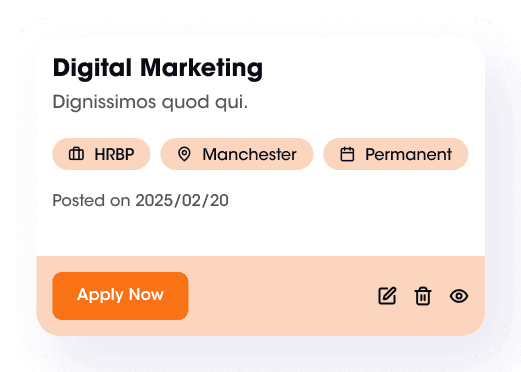
Managing restaurant staff training records online (using an LMS or HRIS) enhances compliance, speeds up onboarding, and boosts efficiency by replacing paper, reducing administrative work, ensuring consistent, accessible training for high-turnover staff, reducing costs, and enabling data-driven tracking for safety audits.
Improved Regulatory Compliance & Auditing:
Digital systems store training records securely, making it easy to produce food safety, hygiene, and health and safety records during inspections.
Faster Onboarding & Training:
New hires can complete training before their first shift, reducing time-to-competency and enabling them to get on the floor faster.
Increased Efficiency & Reduced Administration:
Eliminates physical paperwork, reducing the time managers spend on printing, filing, and manually tracking certifications.
Consistent Training Standards:
Ensures all staff receive the same, up-to-date training, which is essential for consistency across multiple locations.
Enhanced Data Security & Tracking:
Provides a centralized, accurate source of truth for all employee records, tracking completion rates and quiz scores in real time.
Cost Savings:
Reduces costs associated with printing materials, trainer fees, and physical storage space.
Higher Employee Retention & Engagement:
Offering digital training and development opportunities boosts staff engagement and loyalty, helping to reduce high industry turnover.
Easy Content Updates:
Training materials, such as new menu item procedures, can be updated instantly across the system without reprinting manuals.
06
Accident Report
Instant Real-Time Reporting and Visibility:
Digital platforms allow staff to report incidents immediately from a smartphone or tablet, giving managers instant visibility of incidents as they occur, regardless of location.
Faster Response to Food Safety Risks:
Immediate alerts and notifications, such as temperature deviations or contamination issues, allow teams to take corrective action before minor issues escalate into major incidents.
Improved Data Accuracy and Completeness:
Online forms with mandatory fields, drop-down menus, and photo or video attachments ensure all critical data is captured accurately, avoiding illegible or incomplete paper records.
Strengthened Regulatory Compliance & Audit Readiness:
Digital systems store documentation in a centralized, time-stamped, and searchable cloud-based repository, making it easy to produce records for inspections or legal requirements.
Enhanced Root Cause Analysis:
Online systems make it easier to analyse trends and recurring incidents, helping food safety professionals identify root causes and implement effective preventive measures.
Increased Efficiency and Productivity:
Digital tools eliminate manual processes such as handwriting reports, filing papers, and chasing signatures, freeing employees to focus on food production and service.
Improved Traceability in Recalls:
In the event of a food safety incident, digital records enable rapid tracing of products, ingredients, and processes, reducing the time and scope of potential recalls.
Strengthened Safety Culture and Engagement:
An accessible digital system encourages employees to report near misses and hazards, empowering staff to take ownership of food safety.
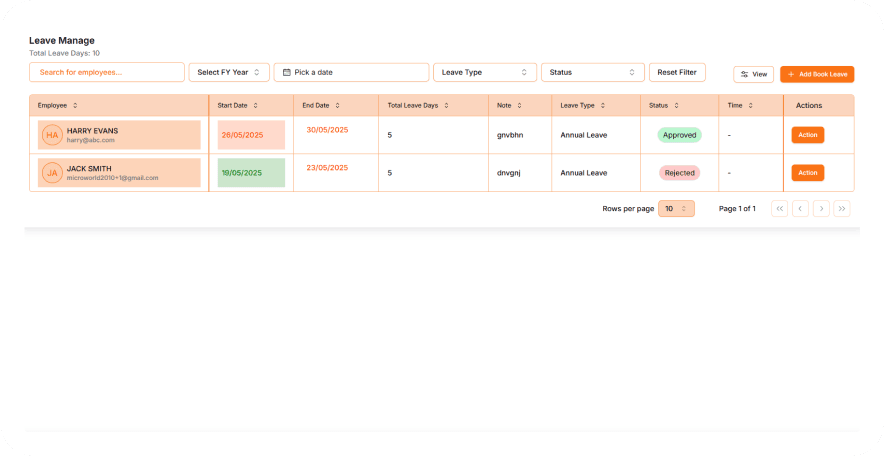
Managing incident reports online (digitally) in the food industry transforms reactive, paper-based processes into proactive, efficient, and compliant systems. This is particularly crucial for maintaining food safety, protecting public health, and ensuring compliance with regulations like FSMA and HACCP.
07
Inventory
Real-Time Visibility:
Access live data on stock levels across multiple locations, warehouses, or trucks, ensuring accurate inventory counts at any moment.
Reduced Spoilage and Waste:
Track ingredients by expiration dates and lot numbers using FEFO (First Expired, First Out), significantly reducing waste of perishable goods.
Accurate Demand Forecasting:
Use historical sales data and analytics to predict future demand, helping to reduce overstocking and understocking.
Enhanced Cost Control:
Minimize storage costs and reduce capital tied up in excess inventory, leading to improved cash flow.
Seamless Multi-Location Management:
Coordinate inventory between kitchens, restaurants, and warehouses from a single centralized online platform.
Faster Order Fulfilment:
Streamline picking, packing, and shipping processes to ensure high-quality and timely service for customers.
Increased Productivity:
Reduce manual administration time and data entry errors, allowing staff to focus on food quality and customer service.
Improved Food Safety Compliance:
Maintain precise records for regulatory, health inspection, and audit requirements, including detailed ingredient tracking.
Online inventory management in the food industry, using cloud-based software, offers critical benefits like real-time stock tracking, reduced spoilage through expiration monitoring, and automated ordering. It streamlines operations across multiple locations, improves accuracy, and boosts profitability by minimizing waste and preventing stock outs.